Refrigeration equipment components are crucial for ensuring the efficient and stable operation of a refrigeration system. They encompass a wide range, from core components to auxiliary parts.
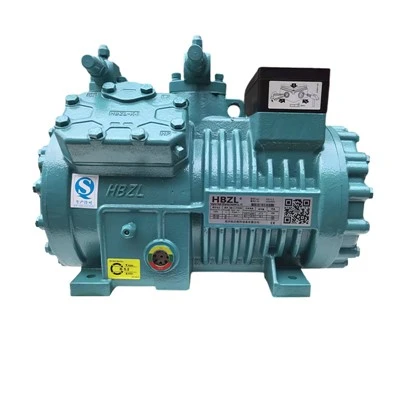
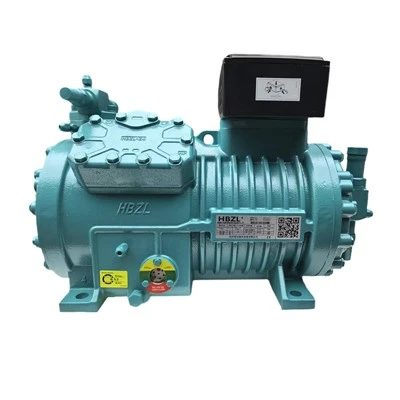
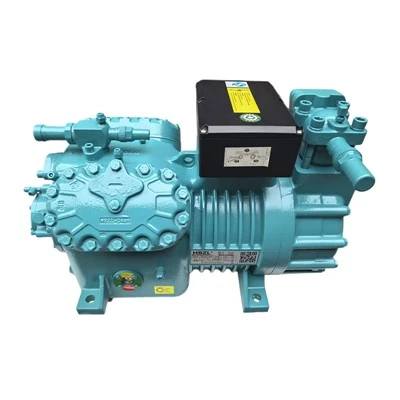
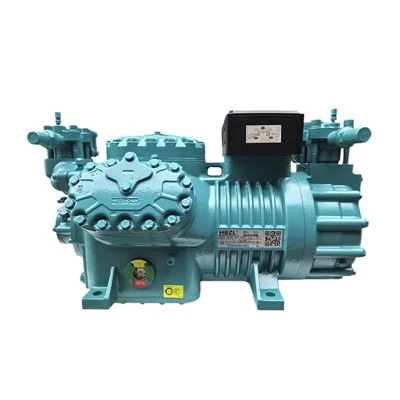
Compressor: The compressor is the "heart" of the refrigeration system, responsible for compressing low-temperature, low-pressure refrigerant gas into high-temperature, high-pressure gas, providing power for the refrigeration cycle. Based on their working principle, compressors can be classified into various types, such as piston, screw, and centrifugal, suitable for different scales of refrigeration needs.
Condenser: The main function of the condenser is to cool and condense the high-temperature, high-pressure refrigerant gas discharged from the compressor into a liquid. It is usually located in the outdoor part of the refrigeration system, using air or water as the cooling medium to achieve heat exchange. The efficiency of the condenser directly affects the overall performance of the refrigeration system.
Evaporator: The evaporator is a key component in the refrigeration system that achieves the cooling effect. It absorbs heat from the space being cooled, causing the refrigerant liquid to evaporate into gas, thereby lowering the ambient temperature. Evaporators can be classified into various types, such as air-cooled and water-cooled, depending on the application.
Expansion Valve: The expansion valve (or throttle valve) controls the process of refrigerant changing from a high-pressure liquid state to a low-pressure liquid state, thereby regulating the refrigerant flow into the evaporator. Precise control of the expansion valve is crucial for maintaining the stable operation of the refrigeration system.
Refrigerant: The refrigerant is the medium for transferring heat in the refrigeration system. Common refrigerants include Freon, ammonia, and carbon dioxide, which have different physical and chemical properties and are suitable for different refrigeration scenarios. With increasing environmental awareness, new environmentally friendly refrigerants are gradually becoming the mainstream in the market.
Filters and Dryers: Filters are used to remove impurities and moisture from the refrigerant, preventing them from damaging the refrigeration system. Dryers further absorb residual moisture in the refrigerant, ensuring the cleanliness and dryness of the refrigeration system.
Control System and Sensors: The control system includes temperature controllers, pressure controllers, etc. They monitor the operating status of the refrigeration system in real time through sensors and automatically adjust the working status of each component according to preset parameters to achieve efficient and stable refrigeration.
Pipes and Connectors: Pipes and connectors are used to connect the various components of the refrigeration system to form a complete refrigeration cycle. They need to possess good sealing and corrosion resistance to ensure the long-term stable operation of the refrigeration system.
Auxiliary components: such as fans, motors, valves, etc., although these components do not directly participate in the refrigeration cycle, play an important role in the normal operation and performance optimization of the refrigeration system.