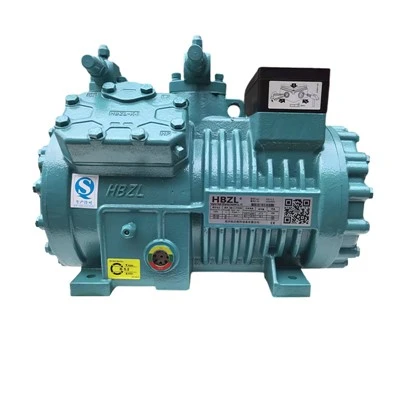
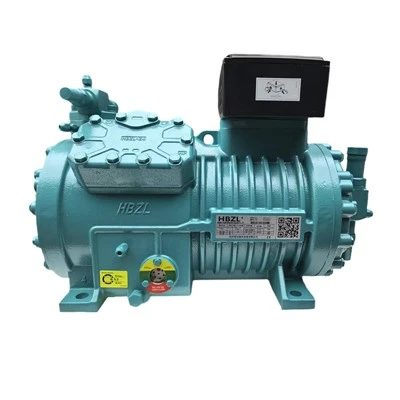
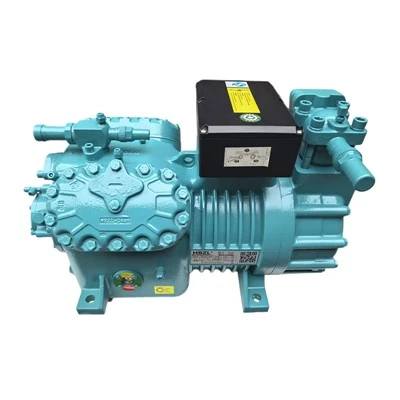
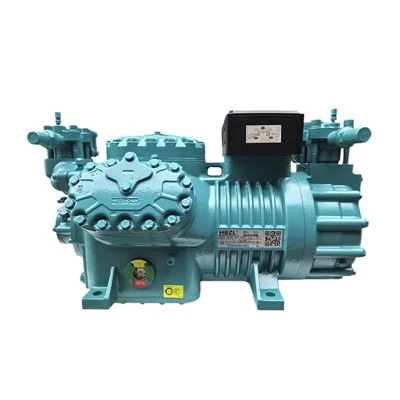
The properties of refrigeration components are the core factors determining their performance, durability, and applicability. From material selection to structural design, every step directly affects the overall efficiency and stability of the refrigeration system. First, refrigeration equipment components typically use high-strength metal materials such as copper, aluminum, and stainless steel. These materials not only possess excellent thermal conductivity but also maintain structural integrity in harsh environments. Second, critical components such as seals and gaskets often use rubber or silicone to ensure the airtightness and liquid tightness of the system, preventing refrigerant leakage. Furthermore, the design of refrigeration equipment components must meet strict process standards, such as welding quality and surface treatment processes, all of which affect the service life and reliability of the components.
In practical applications, the corrosion resistance, pressure resistance, and wear resistance of components are also crucial characteristics. For example, refrigeration equipment operating in high-temperature or high-humidity environments requires components with stronger weather resistance to extend their service life. Simultaneously, the dimensional accuracy and assembly tolerances of the components must be strictly controlled to ensure compatibility with the main unit. For certain special applications, such as cryogenic refrigeration systems, the low-temperature resistance of components is particularly important, requiring the selection of materials that can maintain elasticity and strength at extremely low temperatures. The properties of refrigeration equipment components are also influenced by manufacturing processes. Different processes such as stamping, casting, and machining have varying effects on the physical properties and surface quality of the components.
Therefore, strict quality control according to relevant standards is essential during production to ensure consistent component quality. In general, the properties of refrigeration equipment components are the result of multiple factors, including material characteristics, design specifications, manufacturing processes, and environmental adaptability. Only a comprehensive understanding of these properties can provide a strong guarantee for the efficient operation and long-term stability of the refrigeration system.