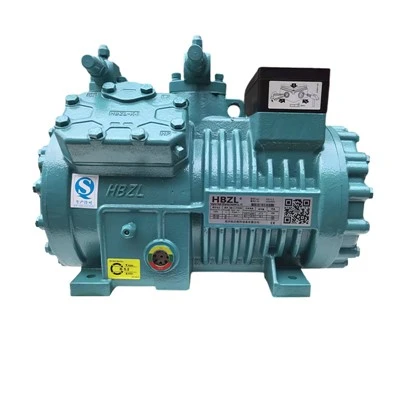
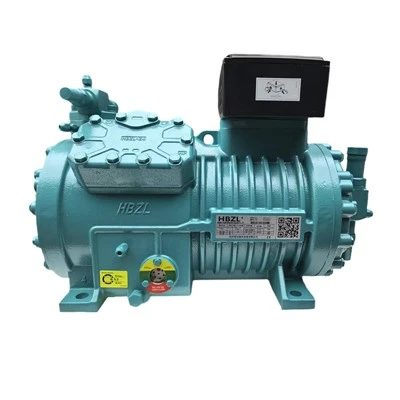
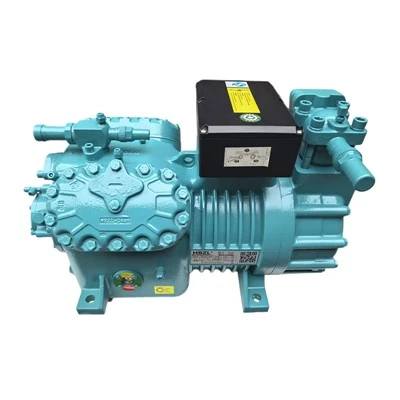
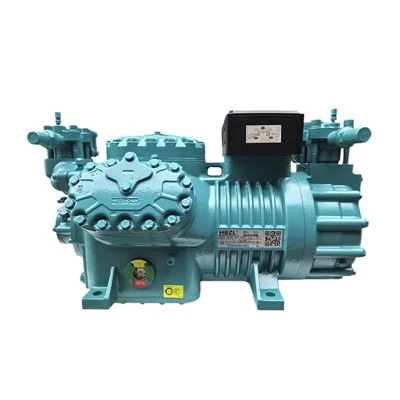
Compression System: This includes a twin-screw compressor, an oil separator, and a lubrication system. The oil separator separates the lubricating oil generated during compression, preventing it from entering the refrigeration cycle and affecting heat exchange efficiency. The lubrication system cools the rotor through oil spraying, reducing friction loss and sealing the tooth clearance.
Condensation System: This uses a high-efficiency shell-and-tube heat exchanger (as mentioned in the product information, "shell-and-tube condenser"). The refrigerant gas condenses into a liquid outside the tubes, releasing heat to the cooling water or air. The shell-and-tube design increases the heat exchange area and improves condensation efficiency.
Evaporation System: The refrigerant liquid absorbs heat from the cooled medium in the evaporator, evaporates into a gas, and returns to the compressor. Depending on the application, the evaporator can be flooded or dry-type; the former is suitable for large temperature difference cooling, while the latter is more energy-efficient.
Control System: This system monitors parameters such as temperature and pressure using a PLC or microcomputer controller, automatically adjusting the compressor speed, valve position, and cooling water flow to achieve precise temperature control and energy-saving operation.