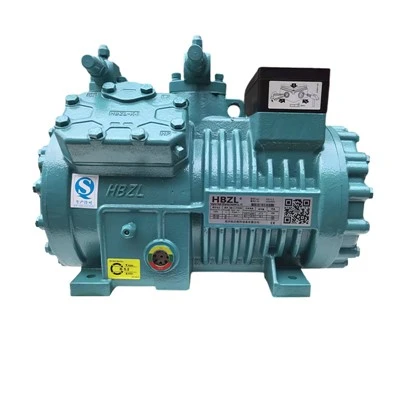
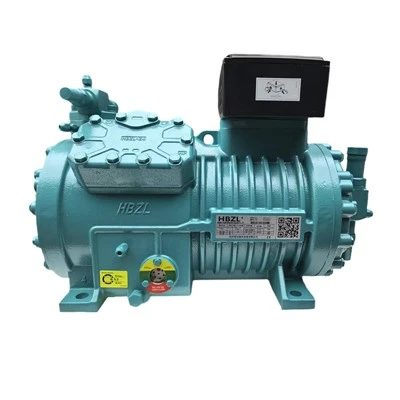
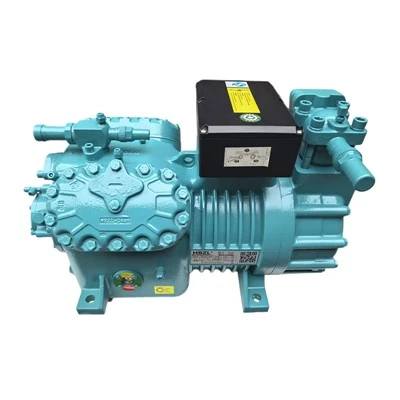
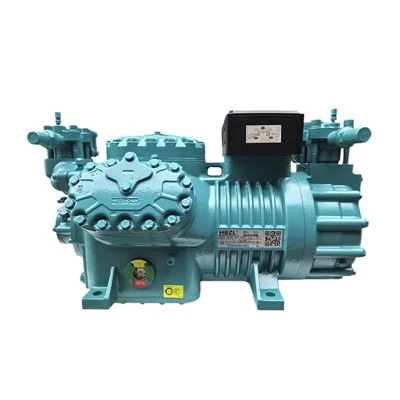
Is mainly reflected in their functional stability, energy efficiency, environmental adaptability, and durability within the refrigeration cycle. These characteristics directly determine the operating efficiency and lifespan of the refrigeration system.
Heat exchange efficiency
The heat exchange capacity of the condenser and evaporator is crucial, typically measured by the heat transfer coefficient (W/m²·K).
High-efficiency finned heat exchangers can achieve heat transfer coefficients of 30–50 W/m²·K, while plate heat exchangers offer even higher efficiency, suitable for compact equipment.
Heat exchange efficiency is significantly affected by dust and scale buildup, requiring regular cleaning and maintenance.
Sealing and Pressure Resistance: Refrigeration systems operate at high pressures (up to 2.5–3.0 MPa on the high-pressure side), requiring components such as valves, fittings, and piping to possess excellent airtightness.
High-quality copper fittings can withstand temperature changes from -40℃ to +120℃, preventing low-temperature cracking or high-temperature leakage.