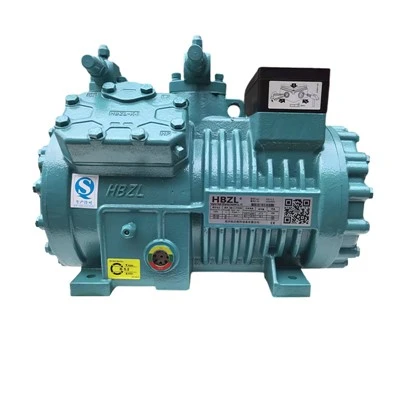
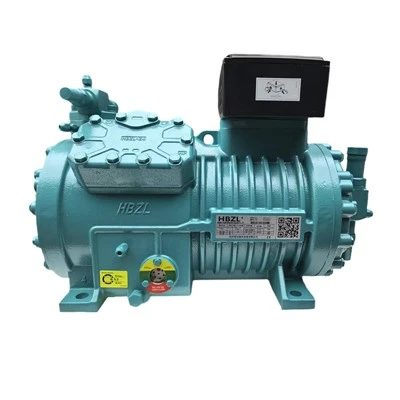
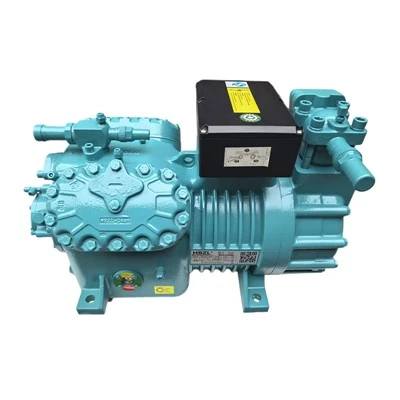
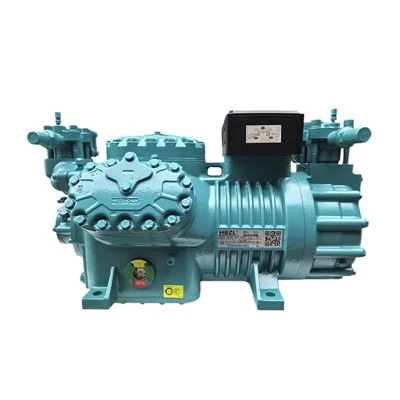
Refrigeration equipment achieves artificial cooling by transferring heat from the object to be cooled to the surrounding environment through a thermodynamic cycle, thereby lowering its temperature and maintaining a low-temperature environment. It is widely used in food refrigeration, air conditioning, and industrial cooling to ensure the preservation of goods, a comfortable environment, or the normal operation of processes.
Based on its working principle, a refrigeration equipment typically consists of four core components: a compressor, a condenser, a throttling valve, and an evaporator. Through the circulation of refrigerant within the system, it completes four processes: compression, condensation, throttling, and evaporation, continuously absorbing heat from the low-temperature region and releasing it to the high-temperature environment.
1. Cooling and Temperature Control: For example, refrigerators keep food fresh, and air conditioners regulate indoor temperature.
2. Dehumidification: In air conditioning, cooling air causes water vapor to condense, reducing humidity.
3. Ensuring Industrial Production: For example, removing heat of hydration during concrete dam pouring, and freezing soil before tunnel construction to stabilize the structure.
4. Supporting Scientific Research and Experimentation: For example, low-temperature test chambers simulate extreme environments to test material performance.