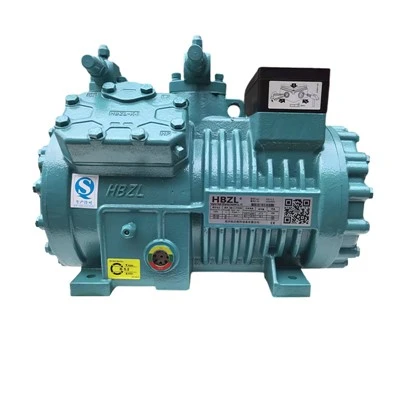
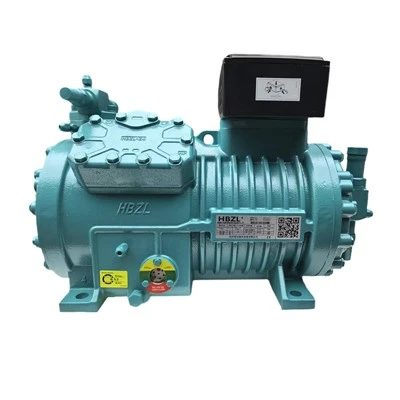
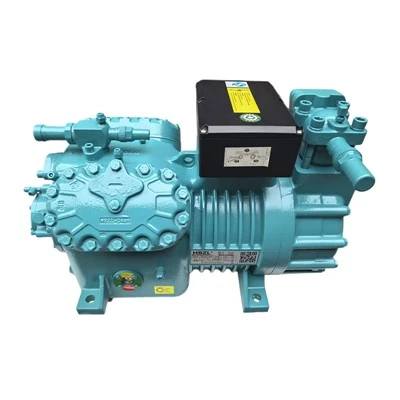
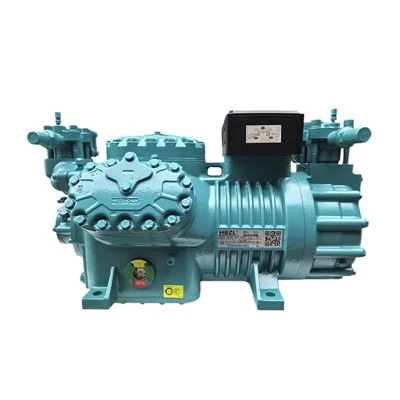
A refrigeration equipment is a device that transfers heat from a low-temperature object to a high-temperature object through mechanical or chemical means, thereby achieving cooling or maintaining a low-temperature environment. Its core principle is based on the second law of thermodynamics, completing the refrigeration cycle through four basic processes: compression, condensation, expansion, and evaporation. Depending on the refrigeration method, refrigeration equipment can be divided into several types, including mechanical compression (such as water chillers), absorption, and thermoelectric.
Temperature Control Accuracy: Industrial-grade equipment typically achieves ±0.5℃ (such as laboratory water chillers), while commercial equipment generally achieves ±1-2℃.
Coefficient of Performance (COP): The COP of mechanical compression refrigeration equipment is typically between 3 and 6, while that of absorption refrigeration equipment is lower (0.7-1.2).
Refrigerant Type: Environmentally friendly refrigerants (such as R134a and R410A) are gradually replacing traditional Freon-based refrigerants.