(1) The annual air conditioning load variation of the building and the partial load regulation performance of the chiller should be considered. Reasonable selection of the model, unit capacity, number of units, and annual operating mode is necessary to improve the operating efficiency of the refrigeration system under partial load, thereby reducing annual operating costs.
(2) From the perspective of providing the same cooling capacity and consuming primary energy, electrically driven chillers consume less energy than absorption chillers. However, in situations where local power supply is tight, or where there are readily available heat sources, especially where waste heat can be utilized, absorption chillers should be given priority.
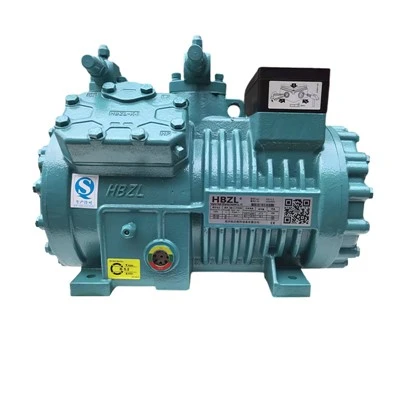
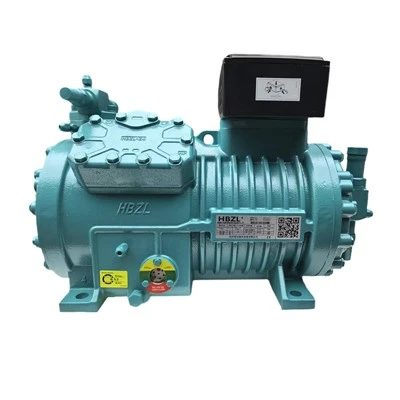
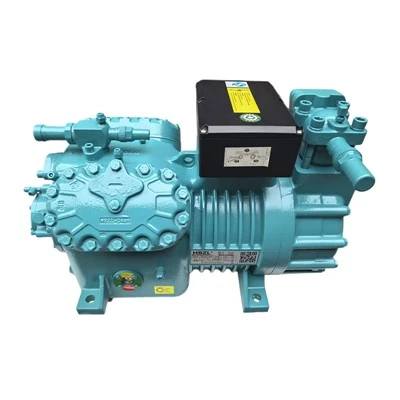
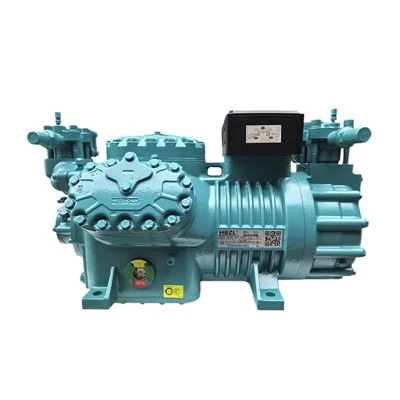
(3) Considering energy consumption, unit capacity, and regulation, when selecting electrically driven chillers, centrifugal chillers are preferable when the cooling capacity of a single unit is greater than 1160 kW; screw or centrifugal chillers are preferable when the cooling capacity is between 580 and 1160 kW; and piston or scroll chillers are preferable when the cooling capacity is less than 580 kW.
(4) When selecting a chiller, the environmental impact, such as noise and vibration, should be considered. Considering the impact on the atmospheric ozone layer, absorption chillers have obvious advantages; however, considering the greenhouse effect, absorption chillers emit more CO2 than electrically driven chillers, so a comprehensive consideration is necessary.