Regularly check the operating parameters of the refrigeration system, such as pressure and temperature, to ensure they are within normal ranges. This includes the suction and discharge pressures of the refrigeration compressor, and the inlet and outlet temperatures of the evaporator and condenser. Observe pressure gauges, thermometers, and other instruments to promptly identify any abnormalities and take appropriate measures.
Keep the refrigeration system clean. Regularly clean dust, oil, and other impurities from the surfaces of the condenser and evaporator. Dust reduces the condenser's heat dissipation efficiency, while oil affects the evaporator's heat exchange effect, leading to decreased refrigeration efficiency. Use a specialized cleaning agent for cleaning, and allow it to dry completely afterward.
Pay attention to the refrigeration system's sealing. Regularly check all joints, valves, and seals for leaks. Leaks will reduce the refrigerant charge, affecting refrigeration performance and potentially causing environmental pollution and safety hazards. Repair any leaks promptly, using sealant or gaskets.
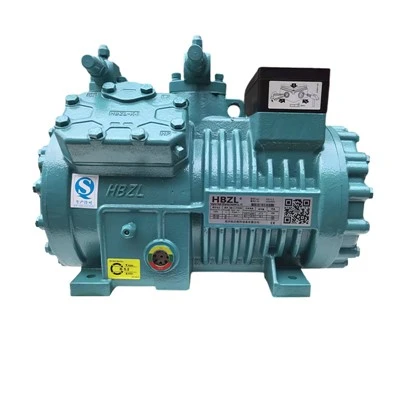
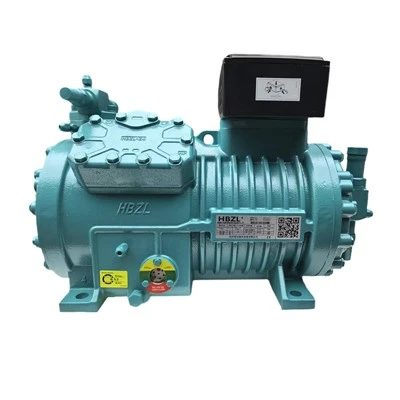
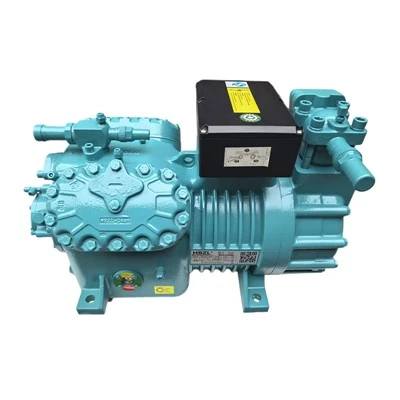
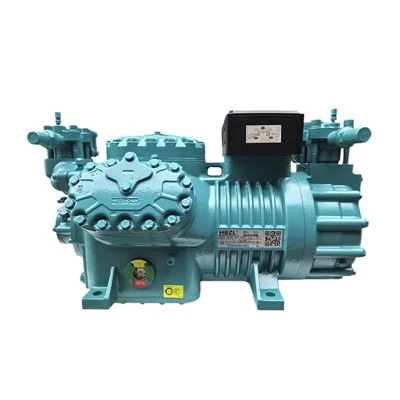
Regularly check the operating status of the refrigeration compressor, including belt tension, bearing lubrication, and motor operating current. A loose belt can cause compressor slippage, affecting cooling performance; poor bearing lubrication can accelerate bearing wear, shortening compressor lifespan; abnormal motor operating current may indicate a motor malfunction or excessive load.
Clean the condenser regularly (recommended every 3 months, shorter intervals in areas with hard water).
Change the compressor lubricating oil every 2000 hours.
Set the high-pressure alarm threshold to no more than 110% of the rated value (e.g., ≤2.5MPa for R22 systems).