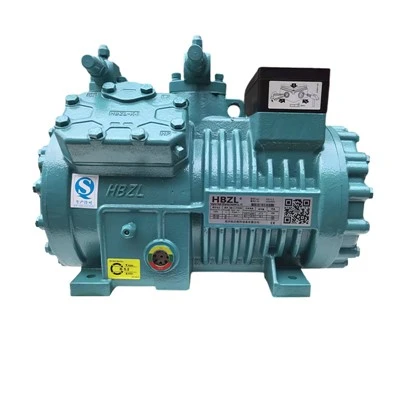
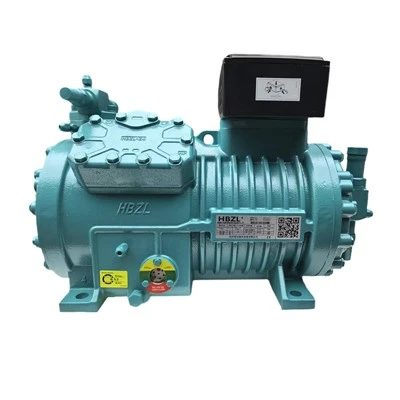
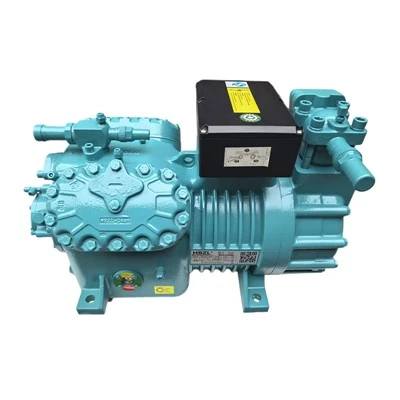
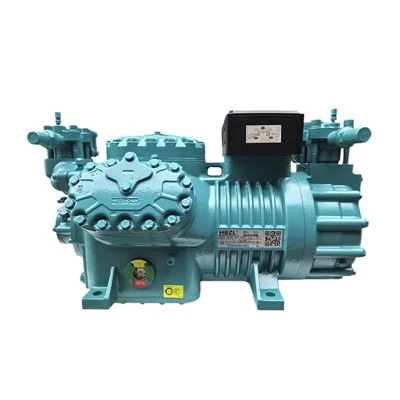
A chiller unit, also known as a freezer, refrigeration unit, or ice water unit, primarily functions to remove liquid vapor through a compression or heat absorption refrigeration cycle, thereby achieving cooling or heating effects. A chiller unit mainly consists of four parts: compressor, evaporator, condenser, and expansion valve. The main compressor is primarily a screw or centrifugal compressor, while commercial units mainly use scroll compressors.
Compressor: The compressor is the core component of the chiller unit, responsible for drawing in low-temperature, low-pressure refrigerant gas and compressing it into a high-temperature, high-pressure gas. During this process, both the temperature and pressure of the refrigerant increase.
Evaporator: In the evaporator, the refrigerant changes from a liquid to a gaseous state, absorbing heat from the indoor air and lowering its temperature. During this process, both the temperature and pressure of the refrigerant decrease.
Dry Evaporator: The refrigerant flows inside the tubes, while water flows outside the tube bundle. It consists of a shell, evaporator tubes (internal threaded tubes), baffles, and end caps.
Flooded evaporator: Refrigerant flows outside the tubes, while water flows inside. It consists of a shell, evaporator tubes (high-efficiency tubes), tube sheet, and support plates.
Falling film evaporator: Refrigerant is evenly distributed from the distributor, forming a liquid film on the surface of the heat exchange tubes. It absorbs heat from inside the tubes and evaporates, while water flows inside. It consists of a distributor, shell, evaporator tubes (high-efficiency tubes), tube sheet, and support plates.