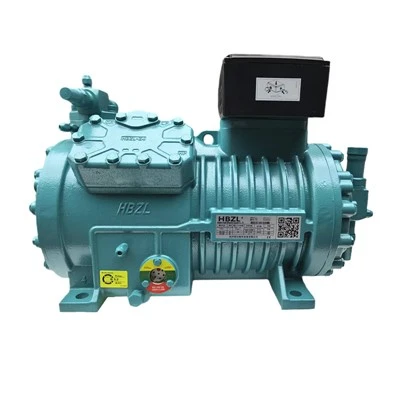
Hey there, if you’re in the market for refrigeration gear, you’ve probably stumbled upon terms like single-stage and multi-stage water-cooled condensing units and wondered what the actual difference is. As someone who’s been in the water-cooled condensing unit game for years, I talk to facility managers, restaurant owners, and cold storage operators all the time about this exact question. Most folks just know they need a unit that keeps their space cold, but picking the right stage can make or break your energy bills, upkeep, and even how long your refrigeration lasts. Let’s break this down like I would over a coffee—no stuffy engineering jargon, just real, actionable stuff that matters.
First off, let’s get on the same page: a water-cooled condensing unit is the heart of your refrigeration system. It’s the part that takes the heat from your cold space (like a walk-in freezer, restaurant prep fridge, or commercial fridge) and dumps it into water instead of air, which is way more efficient in warm climates or places where space for big air-cooled units is tight. If you’re new to all this, checking out our core line of Water Cooled Condensing Unit will give you a quick overview of what these units do before we dive into the stage differences.
Now, single-stage vs. multi-stage—this is all about how the compressor inside runs. A compressor is what compresses refrigerant to move heat around, right? A single-stage compressor only has one speed: full-on, 100% capacity, or totally off. It’s binary—no in-between. Think of it like a old-school light switch: on or off, no dimming. Multi-stage compressors? They have two or more different capacity settings (like 50% and 100%) or even variable speed, so they can adjust how much cooling they’re putting out based on what your space actually needs. That’s more like a dimmer switch for your refrigeration.
Let’s start with single-stage units because they’re the simpler, more straightforward pick. They’ve been around forever, so parts are easy to find, and installers usually know how to hook ’em up fast. The biggest perk? Low upfront cost. If you’re working with a tight budget and your refrigeration load is pretty consistent—like a small corner store walk-in that’s always the same temp, no big spikes or drops—this is hard to beat. But here’s the catch: because they only run at full blast, they cycle on and off a lot. Every time they kick on, that’s a big hit to energy use, not to mention wear and tear on the compressor. Short cycling (turning on and off every few minutes) is a real issue here—it makes the compressor work harder, uses more power, and cuts down on how long the unit lasts. For example, if you have a 10,000 BTU single-stage unit for a small drink cooler that only needs 6,000 BTU most hours, it’s still cranking out 10k, wasting energy and heating up the cooler space a little every time it shuts off and waits to turn back on.
Now multi-stage units, like the ones we offer for Freezer Room Condensing Unit and other heavy-duty setups, fix a lot of those single-stage problems. Since they can adjust their capacity, they match the cooling output exactly to what your space needs at any given time. Let’s say your walk-in is 0°F (for that commercial freezer meat storage) and during peak hours, when someone’s constantly opening the door to restock, it needs a bit more cooling. Multi-stage kicks up to high capacity, then drops to low when things calm down overnight or on slow days. No more short cycling—compressor runs longer, more steadily, which uses way less energy and puts less stress on parts. I’ve seen customers cut their energy bills by 20-30% just switching from single-stage to multi-stage, especially in areas with high electricity costs. The downside? They’re pricier up front, and the controls are a little more complex, so you might need an installer who’s familiar with multi-stage gear. But for most folks, that extra cost pays for itself in a year or two with lower utility bills and fewer repairs.
Wait, let’s talk about when to pick which one, because it’s not a one-size-fits-all. If you run a tiny deli with a single reach-in fridge that keeps steady temps, single-stage is probably all you need—no sense paying for features you won’t use. But if you have a busy restaurant with a large walk-in fridge and freezer, or a cold storage facility that has fluctuating loads (like more products coming in during the day, less at night), multi-stage is the way to go. Even for places with extreme temp swings—like a climate that’s super hot and humid half the year, or a freezer room that drops to -20°F—multi-stage units handle those changes way better than single-stage. Single-stage can struggle with extreme loads, working too hard to keep up and burning out faster.
Another big difference: part availability and repair. Single-stage compressors are super common, so if something breaks, you can get a replacement part same-day at most supply shops. Multi-stage compressors have specialized controls, so parts might take a little longer to get, and repairs usually cost more. But remember—how often do you actually need repairs? Because multi-stage runs less often, it usually needs fewer repairs overall, even if each one is pricier. I’ve had customers with single-stage units call me at 2 a.m. in the middle of summer because their compressor burned out from short cycling, which is way more stressful and expensive than a rare repair on a multi-stage.


Let’s also touch on efficiency ratings, because that’s what everyone looks at these days. Multi-stage units almost always have higher SEER (Seasonal Energy Efficiency Ratio) ratings than single-stage ones. SEER measures how much cooling you get per unit of energy, so a higher SEER means lower electric bills over time. For example, a single-stage Water Cooled Refrigeration Unit might have a SEER of 12, while a comparable multi-stage one is 18. That’s a huge difference over 5 or 10 years, which is the average lifespan of a condensing unit.
What about noise? Wait, that’s a big one for places where noise matters—like a restaurant next to a dining room, or a small retail space where the unit is mounted on the wall. Single-stage units running full blast are louder than multi-stage units running at low capacity. If your unit is right next to where people eat or work, multi-stage will be way quieter most of the time, because it’s not roaring at 100% every hour. We’ve had a few café clients swap out their old single-stage wall units for our Wall Mounted Refrigeration Unit with multi-stage compressors, and they mentioned customers stopped complaining about the “grumble” from the back wall.
Let’s clear up a common misconception: people think multi-stage is only for big industrial setups, but that’s not true. We have small multi-stage units for 5,000 BTU systems that work great for small cafes or boutique grocery stores. The key is your load profile—if your cooling needs change by more than 30% over the course of a day, multi-stage is worth the extra cash. If it’s pretty much the same every hour, single-stage is fine.
Wait, let’s get real about upfront vs. long-term costs, because that’s where most people get stuck. Let’s do a quick example: a single-stage unit costs $2,000, multi-stage costs $3,000 (same cooling capacity). Single-stage uses $1,500/year in electricity, multi-stage uses $1,000/year. So multi-stage costs $1,000 more upfront, but saves $500/year. That means it pays for itself in 2 years. Then, after that, you’re saving $500 a year, plus you’ll have fewer repair bills. Single-stage might need a new compressor in 5 years (costing $1,200), while multi-stage might not need a major repair in 10 years. That’s a no-brainer for most people who plan to keep their unit long-term.
Another thing to consider: maintenance. Both need regular checks (like cleaning the condenser, checking water flow), but multi-stage units need a little more attention to their control system. But if you work with a reputable vendor like us, we can set up a routine maintenance plan that covers that, so you don’t have to stress about it.
Now, who makes which pick? Let’s recap the scenarios:
- Go single-stage if: You have a small, steady cooling load (like a single reach-in fridge, tiny walk-in), tight upfront budget, and don’t mind a slightly higher electric bill.
- Go multi-stage if: You have fluctuating loads (busy restaurant, large cold storage), want to lower energy bills, reduce repairs, and don’t mind a little higher upfront cost.
At the end of the day, the best choice depends on your specific space, how you use it, and your budget. If you’re not sure which is right for you, feel free to reach out. We’ve helped hundreds of customers figure out exactly what they need, whether it’s a reliable single-stage unit for a small shop or a robust multi-stage Water-Cooled Unit for a large cold storage facility. We don’t push the most expensive option—we push the one that fits your needs and saves you money in the long run.
If you’re ready to chat through your requirements, our team is here to help you pick the right condensing unit for your business. We’ll go over load calculations, energy savings estimates, and make sure you get something that works for years, not just months. Don’t hesitate to reach out for a consultation.
References
- ASHRAE Handbook: HVAC Systems and Equipment (2022)
- International Energy Conservation Code (IECC) for Commercial Refrigeration (2021)
- Refrigeration Service Engineers Society (RSES) Guide to Commercial Condensing Units (2020)
- U.S. Department of Energy: Energy Efficiency Tips for Commercial Refrigeration Systems (2023)